
How often should a DSL have supervision?
The designated safeguarding lead (DSL) is the person everyone else turns to with a concern about a child or an adult at risk. They hold difficult cases, make judgement calls with incomplete information, and are often the most senior safeguarding voice in the building. That makes them the person least likely to have someone of their own to talk to. DSL supervision exists to fill that gap. This guide answers the question people ask us most often, how often a DSL should have supervision, along with whether it’s required and what a good session looks like.
What is DSL supervision?
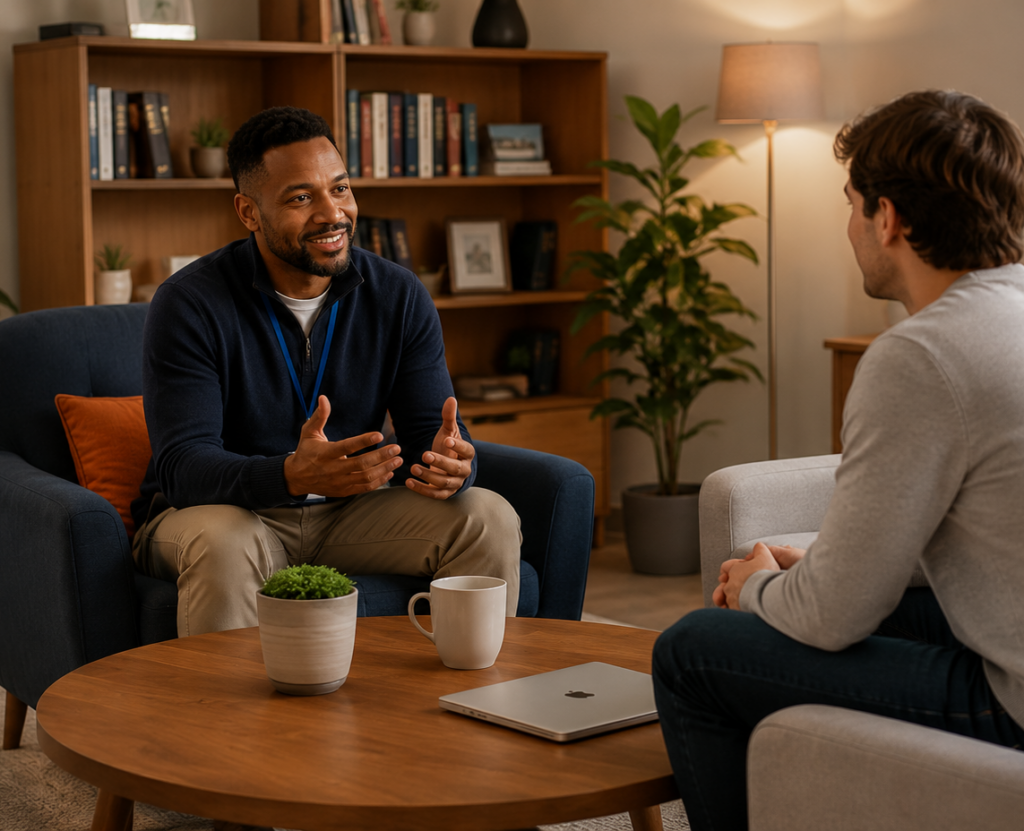
DSL supervision is regular, protected time for a designated safeguarding lead (and their deputies) to reflect on their cases and decisions with a skilled supervisor. It is a planned, confidential conversation that gives the DSL both support and constructive challenge.
DSL supervision and safeguarding supervision are the same thing. “DSL supervision” simply describes safeguarding supervision provided to designated safeguarding leads and deputies. The process, structure and benefits are identical.
It is not line management. Line management looks at performance, workload and objectives. Supervision looks at the quality of safeguarding thinking and the emotional impact of the work. The two sit side by side; one does not replace the other.
Is DSL supervision a requirement?
It depends on your setting.
- Early years: the EYFS statutory framework requires providers to put appropriate arrangements in place for the supervision of staff who have contact with children and families. We explain this in more detail in our guide to safeguarding supervision in early years.
- Schools and colleges: not yet a legal requirement, but widely treated as good practice. Working Together to Safeguard Children expects lead practitioners to have access to high-quality supervision. Keeping Children Safe in Education describes the DSL as a source of support for all staff, which is hard to sustain without support of your own. Ofsted may ask whether staff can access supervision.
- Health, social care and other regulated settings: professional or regulatory standards usually require supervision, rather than a single law.
Even where it isn’t required, the direction of travel is clear: supervision is becoming part of what a well-run organisation is expected to have in place.
How often should a DSL have supervision?
There is no fixed frequency. Most organisations settle on 60-minute sessions between once a month and every six weeks, which works out at six to twelve sessions a year.
That gives enough regularity to track cases properly from one session to the next, and enough space between sessions for reflection to actually happen. A busier setting, or one going through a difficult period, may need more.
What matters most is that supervision is planned and regular, not squeezed in only when a crisis hits. For the moments that can’t wait, ad hoc support (a quick call with a supervisor who already knows your setting) fills the gap between planned sessions.
What happens in a supervision session?

Good supervision is structured. It is reflective, not just a friendly chat. A typical session covers:
- Preparation: the DSL brings the cases on their mind and a short note of where they are stuck.
- Reflection: the supervisor helps them look at each case from different angles, starting with the experience of the child or adult at the centre of it.
- Analysis: testing the risks, reviewing the plan, and checking thresholds and procedures are being followed.
- Emotional support: making room for how difficult cases feel, without letting that cloud decisions.
- Clear actions: agreed next steps that both the DSL and supervisor are confident in.
- A written record (optional): where the supervisor and DSL agree, key decisions and actions are recorded during the session, ready for audits, inspections or a handover.
One-to-one or group supervision?

- One-to-one supervision focuses entirely on the DSL’s own cases and wellbeing. It gives the most depth and confidentiality, and is usually the best fit for DSLs and deputies.
- Group supervision brings together a small number of people in similar roles, such as a safeguarding team or DSLs across a multi-academy trust. Alongside support, everyone learns from each other’s cases. Group supervision can also strengthen the safeguarding culture across an organisation, because staff build a shared understanding of how concerns are recognised and handled.
Many settings use a mix of both.
Should supervision be internal or external?
Some organisations provide supervision internally. That can work when the internal supervisor has the time, training and independence to challenge practice honestly. For DSLs it is often difficult, because the DSL is usually the most senior safeguarding person in the organisation.
External supervision offers:
- Neutrality: no prior view of the cases and no stake in internal relationships.
- Confidentiality: staff often speak more openly to someone outside their organisation.
- Experience: external supervisors see similar situations across many settings.
- Proper support for the DSL: often the only support available to the person at the top of safeguarding.
Signs your DSL needs supervision
- Cases are drifting, or the same concerns keep coming back without progress.
- The DSL is the only person making difficult threshold decisions.
- Workload or stress is affecting wellbeing or retention in the role.
- Decisions are made but not consistently recorded.
- Leaders or governors want reassurance that safeguarding practice is defensible.
How we can help
Our safeguarding supervision service provides confidential one-to-one, group and ad hoc supervision for DSLs, deputies and safeguarding teams, online or in person. Sessions are 60 minutes, with an optional written record.
If your DSL is new to the role, our Designated Safeguarding Lead training is a good place to start.
Frequently asked questions
Regular, protected time for a designated safeguarding lead to reflect on cases and decisions with a skilled supervisor, with support and constructive challenge.
In early years settings, supervision is required by the EYFS. In schools it is not yet a legal requirement, but it is widely seen as good practice and Ofsted may ask about it.
There is no fixed rule. Most organisations choose 60-minute sessions between once a month and every six weeks (six to twelve a year), with ad hoc support in between.
Yes. Supervision is valuable for deputies and anyone else with safeguarding responsibility, not only the DSL.
Someone with safeguarding experience who can offer both support and honest challenge. Because DSLs are often the most senior safeguarding voice in their setting, many choose an external supervisor.