
General
How often should a DSL have supervision?
The designated safeguarding lead (DSL) is the person everyone else turns to with a concern about a child or an adult at risk. They hold difficult cases, make judgement calls with incomplete information, and are often the most senior safeguarding voice in the building. That makes them the person least likely to have someone of…
Read MoreWhat does a Safeguarding Consultant do and when do you need one?

Most organisations that work with children or adults at risk of harm know their safeguarding responsibilities. Fewer are completely sure their policies, records and everyday practice would stand up to an inspector, a serious incident or a difficult question from governors. That is where a safeguarding consultant comes in. This guide explains what a safeguarding…
Read MoreSupervision in early years: what the EYFS requires
In early years, supervision is not optional. The EYFS framework requires every provider to have appropriate supervision arrangements for staff who have contact with children and families. That doesn’t mean every member of staff needs a formal, documented supervision session. This guide explains what the framework actually asks for, what counts as supervision, and who…
Read MoreWhat is safeguarding in dentistry?
Safeguarding in dentistry means protecting children and adults at risk from abuse, neglect and exploitation. It covers how the dental team notices when a patient may be at risk, responds to that concern and passes it on. It applies to every member of the practice, not just the clinicians. This guide explains what dental safeguarding…
Read MoreWhat level of safeguarding training do I need to work in a school?
Everyone who works in a school needs safeguarding and child protection training, whatever their role. That includes teachers, teaching assistants, office staff, site and catering teams, supply staff and volunteers. Schools do not use official safeguarding “levels”. Instead, Keeping Children Safe in Education (KCSiE) sets out what training each group needs and how often. In…
Read MoreHow to ensure all staff read Keeping Children Safe in Education
All staff that work in education need to read the statutory guidance for Keeping Children Safe in Education. But how do you ensure this is done. The answer is simple. We have developed the most straightforward way for schools to make sure all their staff read and understand the statutory documentation. Our online Keeping Children Safe…
Read MoreWhat is a Single Central Record?
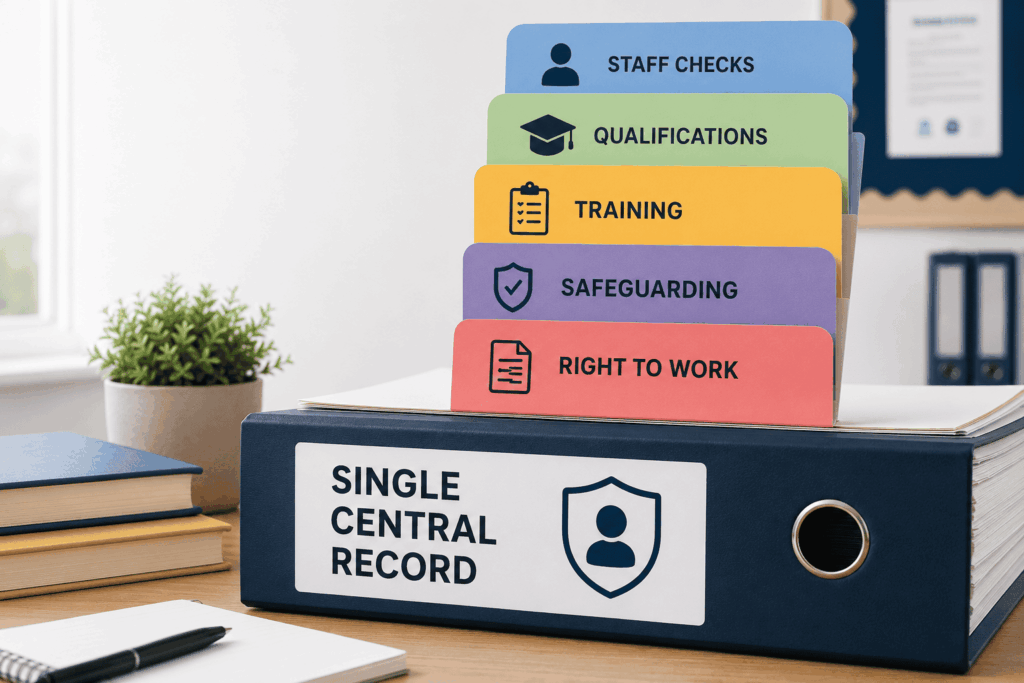
A single central record, or SCR, is the document that schools and colleges in England must keep to log the recruitment and vetting checks for everyone who works with their pupils. It pulls all of those checks into one place. That way, the setting can show at a glance that the right people have had…
Read MoreWhat is a LADO in Safeguarding?
So what is a LADO? A LADO, or Local Authority Designated Officer, is the person in each local authority responsible for overseeing concerns and allegations that an adult who works with children may have behaved in a way that puts them at risk. Every local authority in England has a LADO. They give advice, coordinate…
Read MoreOfsted Safeguarding Inspection: How to Be Ready
When Ofsted inspects a school, safeguarding is one of the areas it weighs most heavily. Inspectors want to know one thing above all: is your safeguarding effective in practice? This guide explains what inspectors look at, the records they usually ask to see, and how to make sure your school is ready long before the…
Read MoreKCSiE 2026: What’s New? Full Summary of the Changes
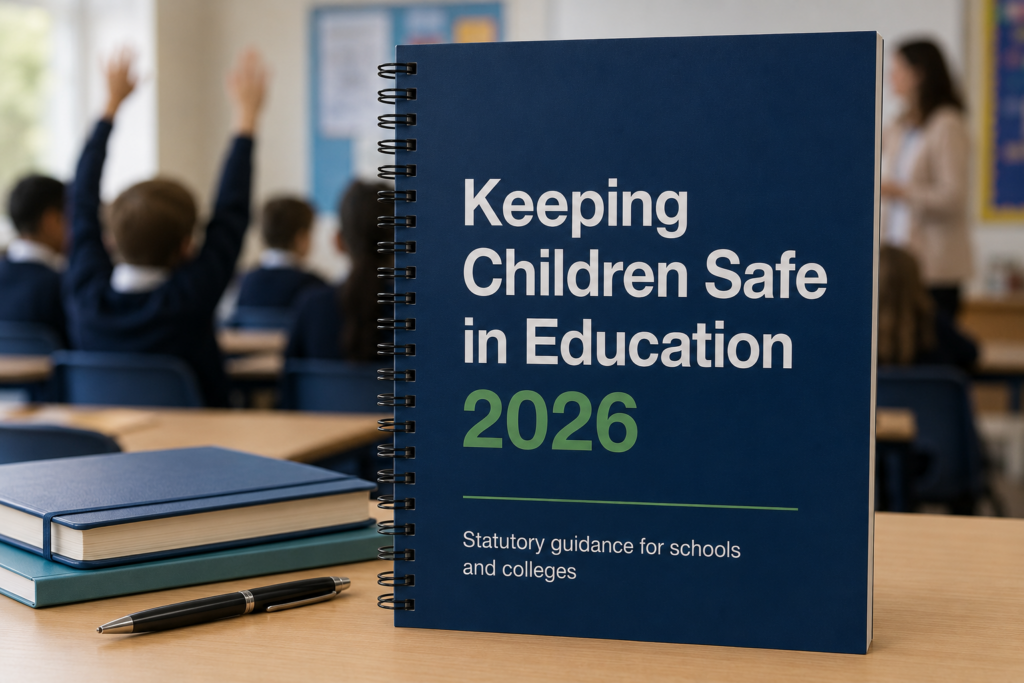
The Department for Education has published Keeping Children Safe in Education (KCSiE) 2026. The new statutory guidance is out “for information”, and it comes into force on 1 September 2026, replacing KCSiE 2025. If you are a designated safeguarding lead (DSL), headteacher, governor or trustee, this is the moment to get ahead. Below is a…
Read More