
What Is a Safeguarding Audit? A Guide for Schools
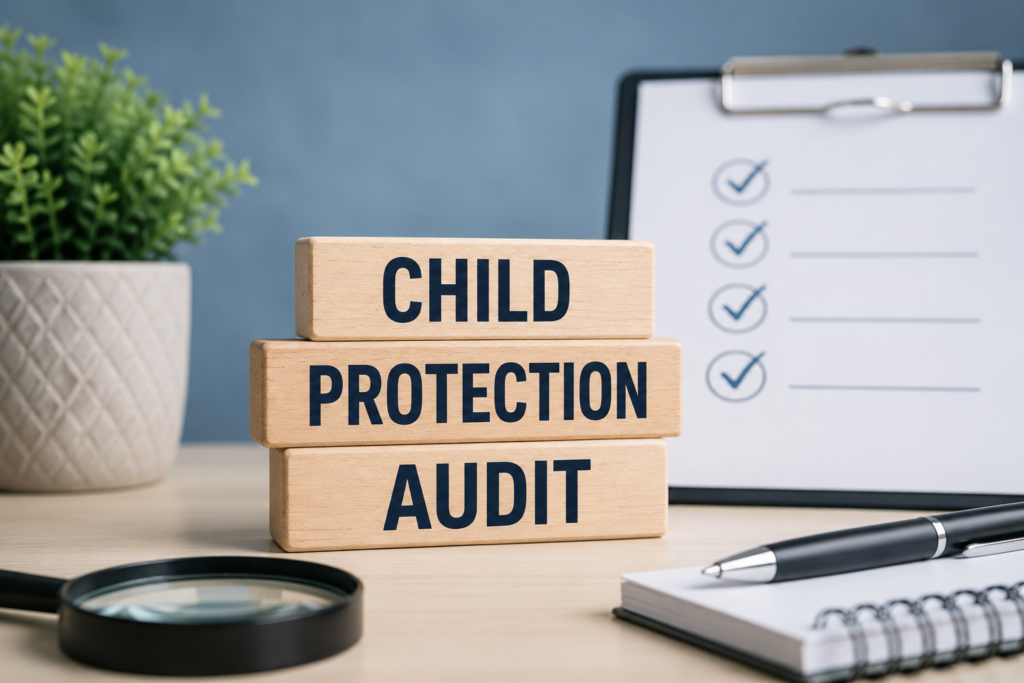
A safeguarding audit is a structured, independent check of how well your organisation keeps children safe. It looks at your policies, records and day-to-day practice, measures them against current guidance and good practice, and gives you a clear picture of what is working, what needs attention, and what to put right first.
Safeguarding is not something you can review once and then forget. Guidance changes, staff move on, new risks emerge and procedures drift. A regular safeguarding audit (sometimes called a child protection audit) is one of the clearest ways to stay on top of it, whether you are a school, college, early years setting, charity, sports club or any organisation working with children.
What is a safeguarding audit?
A safeguarding audit is a structured review of an organisation’s safeguarding and child protection arrangements. It checks whether your policies, procedures and day-to-day practice are genuinely helping to keep children safe, and whether you are meeting your legal, regulatory and inspection requirements.
An audit is not about finding fault. It is a practical opportunity to recognise good practice, address any weaknesses, and build a clear action plan for improvement. Many organisations carry one out every year as part of their wider safeguarding governance and quality assurance.
Why a safeguarding audit matters
Even organisations with a strong safeguarding culture develop gaps over time. Usually they are small, but they add up:
- Policies may no longer reflect the latest guidance.
- Staff training records may not be fully up to date.
- Safer recruitment may not be followed consistently.
- Record keeping may need improvement.
- Staff may be unsure about reporting routes.
- Governors, trustees or senior leaders may not be getting enough safeguarding information.
An audit catches these issues before they become more serious concerns. For schools and colleges, it also helps demonstrate that safeguarding is actively monitored, reviewed and improved, which matters when it comes to preparing for an Ofsted safeguarding inspection.
What a safeguarding audit includes
Every organisation is different, but a thorough audit usually reviews these key areas.
Policies and procedures
Your policies should be current, easy to understand and accessible to staff, volunteers and stakeholders. An audit checks your child protection and safeguarding policies, staff code of conduct, online safety policy, whistleblowing procedure and your process for managing allegations against staff.
Training
The audit reviews whether safeguarding training is appropriate, up to date and matched to each role. That includes staff awareness training, designated safeguarding lead training, refresher arrangements and clear training records. You can see our full range of safeguarding training courses on our website.
Record keeping
Good records build a clear picture of concerns, actions and decisions. An audit looks at how concerns are recorded, confidentiality and information sharing, chronologies and case records, and how long records are kept.
Safeguarding leadership
Everyone should understand who is responsible for safeguarding and how concerns are escalated. The audit looks at the role of the designated safeguarding lead and deputies, governor and trustee oversight, reporting routes and quality assurance.
Safer recruitment
Recruitment should prevent unsuitable people from working with children. An audit examines recruitment procedures, DBS checks, identity checks, references, induction and, where relevant, your single central record.
A simple safeguarding audit checklist
If you want to take stock before bringing anyone in, this short checklist covers the areas a full audit examines. Use it as a starting point, not a substitute for a proper audit.
- Your safeguarding and child protection policies are current and reflect the latest guidance.
- All staff have had safeguarding training at the right level, with dates recorded.
- There is a clear, understood process for recording and reporting concerns.
- Your single central record and safer recruitment checks are complete and up to date.
- There is a clear procedure for managing allegations and low-level concerns.
- Governors or trustees receive regular safeguarding reports and provide challenge.
Who should carry out a safeguarding audit?
Some organisations run internal audits using self-assessment tools. That has its place, particularly where leaders and safeguarding teams are already reflective about their practice.
An external safeguarding professional often gives a more objective view. It is genuinely hard to spot the gaps in something you are close to every day, and an outside pair of eyes can find issues that are easily missed. An independent audit also reassures governors, trustees, senior leaders and inspectors that your arrangements have been reviewed properly.
How often should you do a safeguarding audit?
There is no single rule, but many organisations complete a formal safeguarding audit once a year, plus a review after:
- a significant safeguarding incident;
- a change in safeguarding leadership;
- an update to statutory guidance such as Keeping Children Safe in Education;
- the lead-up to an inspection;
- organisational change or restructuring.
Safeguarding is an ongoing responsibility. Regular reviews keep your arrangements effective and stop improvements being left until there is a problem. For schools, this also links to the legal duty under Sections 175 and 157 of the Education Act 2002, which you can read about in our overview of safeguarding legislation.
What happens after a safeguarding audit?
The most valuable part of any audit is what happens next. A good audit gives you a written report and a prioritised action plan, setting out:
- the areas requiring improvement;
- the actions to be completed;
- timescales;
- who is responsible;
- how progress will be monitored.
The aim is always continuous improvement, not simply ticking a compliance box.
Getting an independent safeguarding audit
If you would like an experienced, independent view of your safeguarding, our consultants can carry out a safeguarding audit or compliance review tailored to your organisation. You receive a clear written report and a practical action plan, so you know exactly where you stand and what to do next. Our safeguarding consultancy also covers policy reviews, strategy and ongoing support, and we provide safeguarding and DSL training for your whole team.
Frequently asked questions
A safeguarding audit is a structured, independent review of how well an organisation keeps children safe. It checks policies, procedures, records and day-to-day practice against current guidance and good practice, and results in a written report with strengths, areas to improve and a prioritised action plan.
In practice they mean the same thing. Safeguarding audit is the broader, more common term today, and child protection audit is often used interchangeably. Both describe a structured review of how well an organisation safeguards the children in its care.
A thorough audit reviews your policies and procedures, staff training and records, record keeping, safeguarding leadership and governor oversight, and safer recruitment including your single central record. You then receive a written report and a prioritised action plan.
At least once a year is a sensible rule for most organisations, plus an audit after any significant incident, a change in leadership, an update to statutory guidance, or in the lead-up to an inspection.
You can complete a self-assessment internally, which is useful, but an external safeguarding professional gives a more objective view and often spots gaps that are missed from the inside. An independent audit also reassures governors, trustees and inspectors that your arrangements have been reviewed properly.
Would an independent safeguarding audit give you peace of mind? Book a safeguarding audit or review or talk to our team.