
Safeguarding
Supervision
Expert guidance for DSLs, individuals, schools, and more.
Regular, protected time to reflect on your cases with a supervisor who understands the weight of the role. Confidential, structured, and grounded in real safeguarding experience.

WHAT IT IS
What is safeguarding supervision?
Safeguarding supervision is regular, protected time for people with safeguarding responsibility to reflect on their cases and decisions with a skilled supervisor. It gives you a confidential space to talk through complex situations, weigh up the risks, and decide what to do next, with both support and constructive challenge.
At its simplest, it is a planned conversation between a member of staff and a supervisor who understands safeguarding work. It is a process rather than a single meeting, and the focus stays on the children, adults and families behind the cases.
Most settings bring safeguarding supervision in to support their designated safeguarding lead (DSL) and wider team, and it is increasingly expected as good practice.

Backing for Your DSL
DSL supervision gives your designated safeguarding lead a skilled, confidential sounding board, so they never carry the hardest decisions alone.

Confidential & Documented
A safe space to speak openly and have structured conversations with an experienced supervisor, with an optional written record of the decisions made.

Expected Good Practice
Safeguarding supervision is increasingly expected under KCSIE, evidencing that your safeguarding team is properly supported.
Why safeguarding supervision matters
It matters for three connected reasons that show up whenever safeguarding is done well, and whenever it is done badly.

Better Decisions
Protected time to think helps stop cases drifting, keeps the focus firmly on the child, and gives you space to test your judgement before you act. Safeguarding decisions are rarely made with complete information. A supervisor helps you notice what you have not yet considered.

Staff Wellbeing
Safeguarding work is emotionally demanding. People carry the weight of worrying cases, often with nowhere to put it down. Regular supervision gives staff a safe place to talk, which reduces stress, prevents burnout, and improves retention in some of the hardest roles in your organisation.

What We Learn
Child Safeguarding Practice Reviews repeatedly highlight the absence, irregularity, or poor quality of supervision as a factor when children have been failed. Regular, good supervision keeps practice safe and connects individual decisions to the wider organisation.
The regulatory picture is clear. Working Together to Safeguard Children expects lead practitioners to have access to high-quality supervision. Keeping Children Safe in Education frames the DSL as a source of support for the whole staff, which is difficult to sustain without your own support in place. Ofsted may ask whether staff can access supervision as part of their inspection.
60-SECOND CHECK
Does your business need safeguarding supervision?
Answer 7 quick questions. Get a free personalised recommendation. No sign-up, no sales pitch.
 Self-assessment 7 quick questions, honest answer at the end 60 Secondsno sign-up
Loading...
HOW IT WORKS
What a safeguarding supervision session actually looks like
Effective supervision is structured. It is reflective, not just a friendly chat, and it uses established, evidence-informed approaches developed across social work, health, and education over many years.
Preparation
You bring the cases or concerns on your mind, along with a brief note of what has happened and where you are stuck. A little preparation makes the time count.
Reflection
Your supervisor helps you look at each case from different angles: the experience of the child or adult at the centre of it, what the family may be doing and why, what you have tried, and what your gut is telling you.
Analysis
You test the risks, review the plan, and consider whether current thresholds and procedures are being followed. Where a risk assessment needs revisiting, this is the space to do it.
Emotional support
Difficult cases carry difficult feelings. A good supervisor makes room for those, without letting them cloud the decision-making.
Clear actions
You leave with a clear set of next steps that you and your supervisor are both confident will move things forward.
A written record (optional)
Where you and your supervisor agree, key decisions and actions are recorded during the session, so they are documented and traceable, ready for audits, inspections, or a handover.
WHO IT'S FOR
Supervision for anyone with safeguarding responsibility
We work with schools and colleges of every size, from small schools to universities, and with organisations well beyond education. Whatever the sector, the principle is the same: the people making the safeguarding decisions need somewhere to think.


Our guide to who is responsible for safeguarding in a school explains how these roles fit together in an education setting.
WHO WE WORK WITH
UK Businesses Trust Our Services
We supply training for organisations of all sizes across the UK, from schools and early years to charities, sports clubs, faith groups, businesses & HR. Whatever your sector, we bring practical, independent safeguarding expertise tailored to your setting.






Safeguarding supervision for DSLs
The DSL role sits at the sharp end of safeguarding in schools, early years settings, and many other organisations. You are the person others turn to with worries about children. You hold cases in your head that can weigh heavily. And you are usually the most senior safeguarding voice in your setting, which means there is often no obvious internal person to sit down with and reflect on the difficult decisions.
That is the gap external safeguarding supervision for DSLs is designed to fill.
Get a free quote for DSL supervision→


Individual, group, and ad hoc supervision
Supervision can take a few forms, and many settings use a mix. Here is how each one works, and who tends to choose it.
Individual supervision
Focused entirely on your cases and wellbeing. Offers the most depth and the most confidentiality, and gives you time to slow down and really think.
Group supervision
Up to six people in similar roles, reflecting and learning together, with the added benefit of shared learning across cases and colleagues.
Ad hoc supervision
A quick call with a supervisor who already knows your context when something difficult comes up between planned sessions. Sometimes fifteen minutes is all it takes.
Not sure which is right for you? We help you decide when we scope the arrangement together.
How often should safeguarding supervision happen?
There is no fixed legal frequency, but the pattern most settings settle into is monthly to every six weeks. That gives enough regularity for cases to be tracked properly between sessions, and enough space between sessions for reflection to actually happen.
per year
Monthly to every six weeks, in 60-minute sessions.
The right frequency for you depends on the size of your setting and the level of safeguarding activity. What matters most is that supervision is planned and regular, not squeezed in only when a crisis hits. Ad hoc support between sessions covers the moments that cannot wait.
Is safeguarding supervision a legal requirement?
It depends on the setting. Even where it is not legally required, the direction of travel is clear: supervision is becoming part of what a well-run organisation is expected to have in place.
Early years
The EYFS statutory framework requires providers to put appropriate arrangements in place for the supervision of staff who have contact with children and families.
Schools and colleges
Not yet a legal requirement, but widely treated as good practice. Working Together anticipates it, KCSIE frames the DSL as a source of support, and Ofsted may ask whether staff can access supervision.
Health, social care & other regulated settings
Supervision is typically required through professional or regulatory standards rather than a single piece of statute. Check your relevant standards for the detail.
Should supervision come from inside or outside your organisation?
Some settings provide supervision internally. That works well when the internal supervisor has the time, the training, and the independence to challenge practice honestly. Many settings find supervision from someone outside the organisation more valuable.
Internal supervision
Delivered by a senior colleague within the organisation.
- Cost-effective if the capacity already exists
- Supervisor already knows the setting
- Less neutrality on cases and colleagues
- Harder for DSLs, usually the most senior safeguarding voice in the building
External supervision
Delivered by an experienced supervisor from outside the organisation.
- Neutrality. No prior view, no internal politics, no stake in the outcome.
- Confidentiality. Staff often speak more openly to someone outside their organisation.
- Consistency. External supervisors do this every week, across many settings.
- Support for DSLs. Often the only proper support available to the most senior safeguarding voice.
PRICING INFORMATION
Safeguarding supervision pricing
We publish our prices clearly, so you know where you stand from the start. Each session is 60 minutes, and it costs less per session when you book a block of four or more. We always confirm a fixed price in writing before we begin. If your needs are more bespoke, contact us and we will tailor a solution to suit your organisation.

 One-to-one supervision Confidential safeguarding supervision for an individual DSL, deputy or safeguarding lead. 60 minutesper session +
- ✓ A confidential, reflective session built around your cases
- ✓ Delivered using recognised, professional supervision frameworks
- ✓ An optional written record, agreed in the session
After each session, choose how you receive a summary. Complete our standard form with the key discussion points and actions for your supervisor to agree, or ask your supervisor to write it for a small additional fee.
- All sessions are 60 minutes as standard.
- Usually runs monthly to every six weeks (six to twelve a year).
- Available online and in-person.
 Group supervision Group safeguarding supervision for a team or DSLs across a trust, up to six people. 60 minutesper session +
- ✓ Facilitated group reflection and peer learning
- ✓ A safe space for shared challenges
- ✓ An optional written record of key points and actions
After each session, choose how you receive a summary. Complete our standard form with the key discussion points and actions for your supervisor to agree, or ask your supervisor to write it for a small additional fee.
- All sessions are 60 minutes as standard.
- Group supervision is for up to six people.
- For larger groups, we provide a tailored quote.
Prices exclude VAT.
HOW WE CAN HELP
What We Provide

One-to-one supervision
Confidential, focused supervision for an individual DSL, deputy or safeguarding lead.
What this involves +
- ✓ A confidential, reflective session built around your cases
- ✓ Attention to both your casework and your wellbeing
- ✓ An optional written record, agreed in the session
- ✓ Support between sessions when you need it

Group supervision
Shared, facilitated reflection for a safeguarding team or DSLs across a trust.
What this involves +
- ✓ Facilitated group reflection and peer learning
- ✓ A safe space for shared challenges
- ✓ Up to six people per session
- ✓ An optional written record of key points and actions

Ad hoc support
Expert help between sessions when a difficult situation cannot wait.
What this involves +
- ✓ Advice by phone or Teams call
- ✓ A sounding board for a live concern
- ✓ Help thinking through a difficult decision
- ✓ Reassurance when you need it most

A recognised, structured approach
Supervision built on established, professional safeguarding supervision frameworks and reflective practice.
What this involves +
- ✓ Recognised, evidence-informed supervision frameworks
- ✓ A structured, reflective conversation, not just a chat
- ✓ The right balance of support and challenge
- ✓ Clear, agreed next steps

Support for your whole team
Supervision for deputies, pastoral and attendance staff, not only the DSL.
What this involves +
- ✓ Supervision matched to each role
- ✓ Flexible scheduling around your setting
- ✓ Consistency across your safeguarding team
- ✓ A joined-up picture of your practice

Regular meetings
Regular sessions, usually monthly to every six weeks, in a pattern that fits your setting.
What this involves +
- ✓ Typically monthly to every six weeks (six to twelve a year)
- ✓ 60-minute sessions as standard
- ✓ Online and in-person availability
- ✓ A schedule agreed with you in advance
Looking to strengthen your wider safeguarding arrangements too? Take a look at our safeguarding consultancy service.
HOW WE HELP
Why organisations choose our supervision
- People who have done the job. Our supervisors come from frontline safeguarding backgrounds, so the support you get is grounded in real experience.
- We understand DSLs. We know how relentless the role can be at times, and we shape our supervision and guidance around what actually helps.
- Supportive and challenging. Good supervision is not just a chat. We provide the support you need while exploring your practice to help you grow and develop.
- More than a one-off. Supervision sits alongside our established safeguarding training and consultancy, so you can support, train and review safeguarding all through us.
MEET OUR TEAM
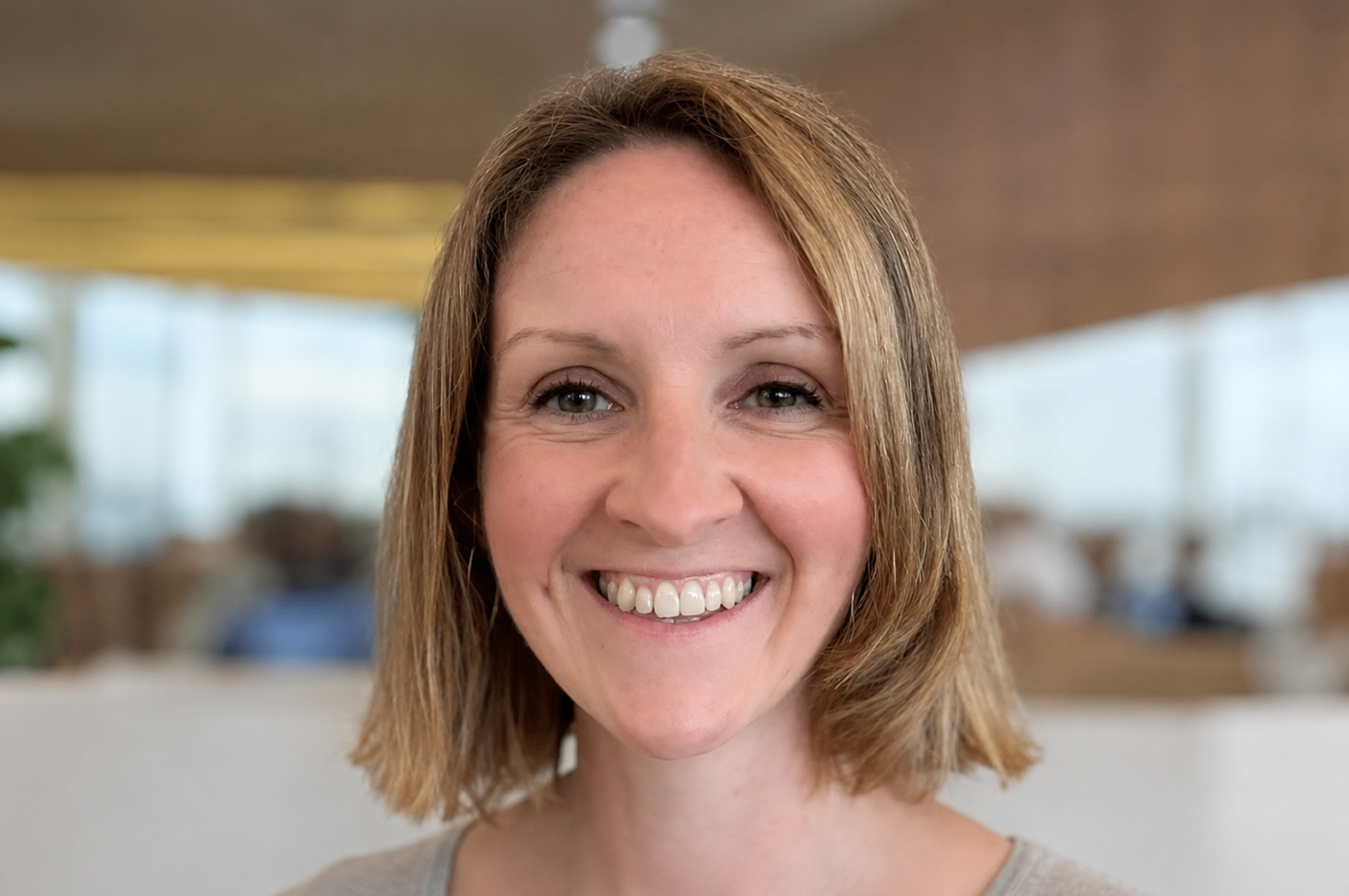
Anna Bowden
Safeguarding Lead & Trainer
Anna is a key member of our in-house safeguarding team. Her career in education and school leadership, most recently as Head of School, means the advice you get is grounded in real, frontline experience.
FAQ
Common questions about safeguarding supervision
Request a Free Quote
Every organisation is different, so the right option just depends on what your setting needs. Send us a few details below, and we will confirm everything in writing, or call us and we can talk through the best fit first. No obligation, and no hard sell.
"*" indicates required fields

Get in touch for expert safeguarding support at 01327 552030